
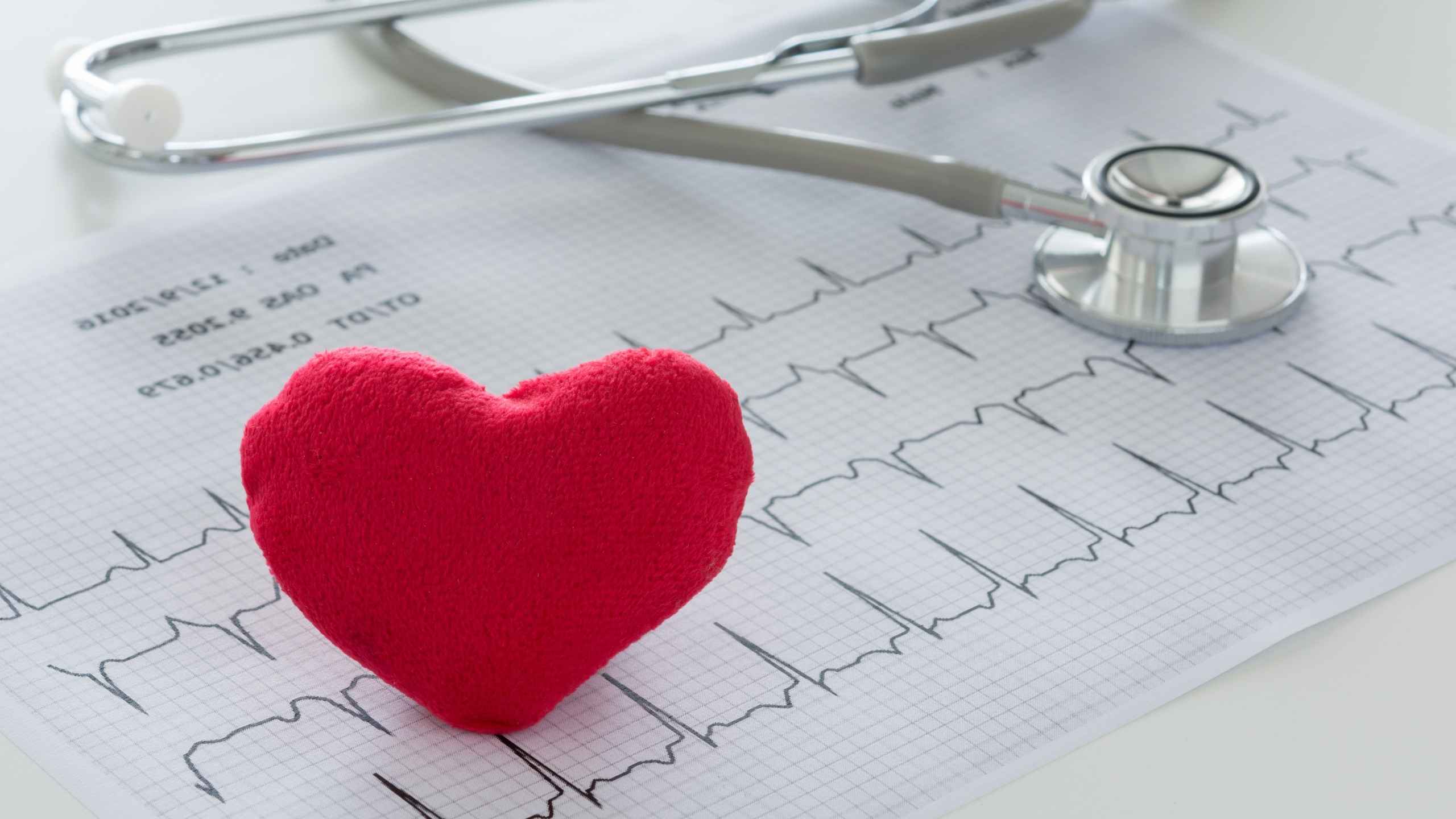
Heart disease is the number one cause of death in the United States, killing approximately 2,500 Americans a day. Fortunately, heart disease is highly preventable with proper lifestyle choices. A cardiologist can help put together a plan for you to maintain a healthy heart, which will improve your overall wellbeing. Here are seven reasons to see a cardiologist.
1. You are experiencing symptoms like chest pain, shortness of breath or dizziness
All these symptoms can be signs of heart issues. While chest pain does not always indicate that you’re having a heart attack, it can signal that there is a problem with your heart like coronary artery disease, angina or pericarditis. Shortness of breath can be an early sign of heart failure while dizziness can indicate that you have an irregular heartbeat or valvular heart disease. If you’re experiencing any of these symptoms, call your cardiologist. Early intervention is key in preventing more serious problems from occurring down the road.
2. You have swelling in your legs or feet
If your feet or legs are swollen, don’t ignore it, as you could have a serious heart issue. Fluid buildup, also called edema, is a classic sign that the heart is not pumping effectively. This swelling can lead to heart failure. Your cardiologist can perform an exam to determine if your swelling is heart-related and prescribe medications to help reduce swelling and get your heart beating properly again.
3. You have high blood pressure
High blood pressure, or hypertension, is known as the “silent killer” because many people with high blood pressure do not have any symptoms. It’s important to get high blood pressure under control because it can cause permanent damage to the body. If left untreated, high blood pressure can lead to brain damage, chronic kidney disease, heart failure, stroke or dementia. Your cardiologist can recommend lifestyle changes to help lower your blood pressure. A minimally invasive procedure called renal denervation also naturally reduces blood pressure.
4. You have elevated cholesterol
Elevated cholesterol, also called hyperlipidemia, can be caused by a variety of factors including genetics, poor diet, obesity and lack of exercise. Like those with high blood pressure, many people with elevated cholesterol do not experience any symptoms. If left untreated, elevated cholesterol can lead to a heart attack or stroke. A heart-healthy diet and exercise plan can go a long way in helping to lower cholesterol. If necessary, your cardiologist can prescribe a medication called a statin to lower cholesterol as well.
5. You are a smoker
Smoking doesn’t just damage your lungs. It has a profound effect on your heart and can lead to a variety of issues including increased blood clots, reduced oxygen supply, elevated heart rate and blood pressure and damaged blood vessels. Smoking is a leading cause of heart disease and it doubles your risk of a heart attack and stroke. Your cardiologist can work with you to put together a plan to quit smoking and improve your heart health.
6. You have a family history of heart disease
Do you have a family member with heart disease? If so, your risk of developing this condition is significantly higher. Make sure to discuss your family history with your cardiologist to find out if you need earlier or more frequent screenings to lower your heart disease risk.
7. You have diabetes
People with diabetes are at higher risk of heart disease and heart failure. High blood sugar damages blood vessels and weakens the heart muscle. Seeing a cardiologist can help you control your blood sugar and maintain good heart health.
A healthy heart is critical to overall health, as the heart supports the brain, kidneys, liver and lungs. If you have concerns about your heart, don’t wait until you start experiencing symptoms. The providers at Chesapeake and Washington Heart Care can help you mitigate your risk factors and put you on the path to a healthy heart. Call us to schedule an appointment today.
Waldorf Office: (301) 645-5100
Prince Frederick Office: (410) 535-8262
Leonardtown Office: (301) 475-3240